

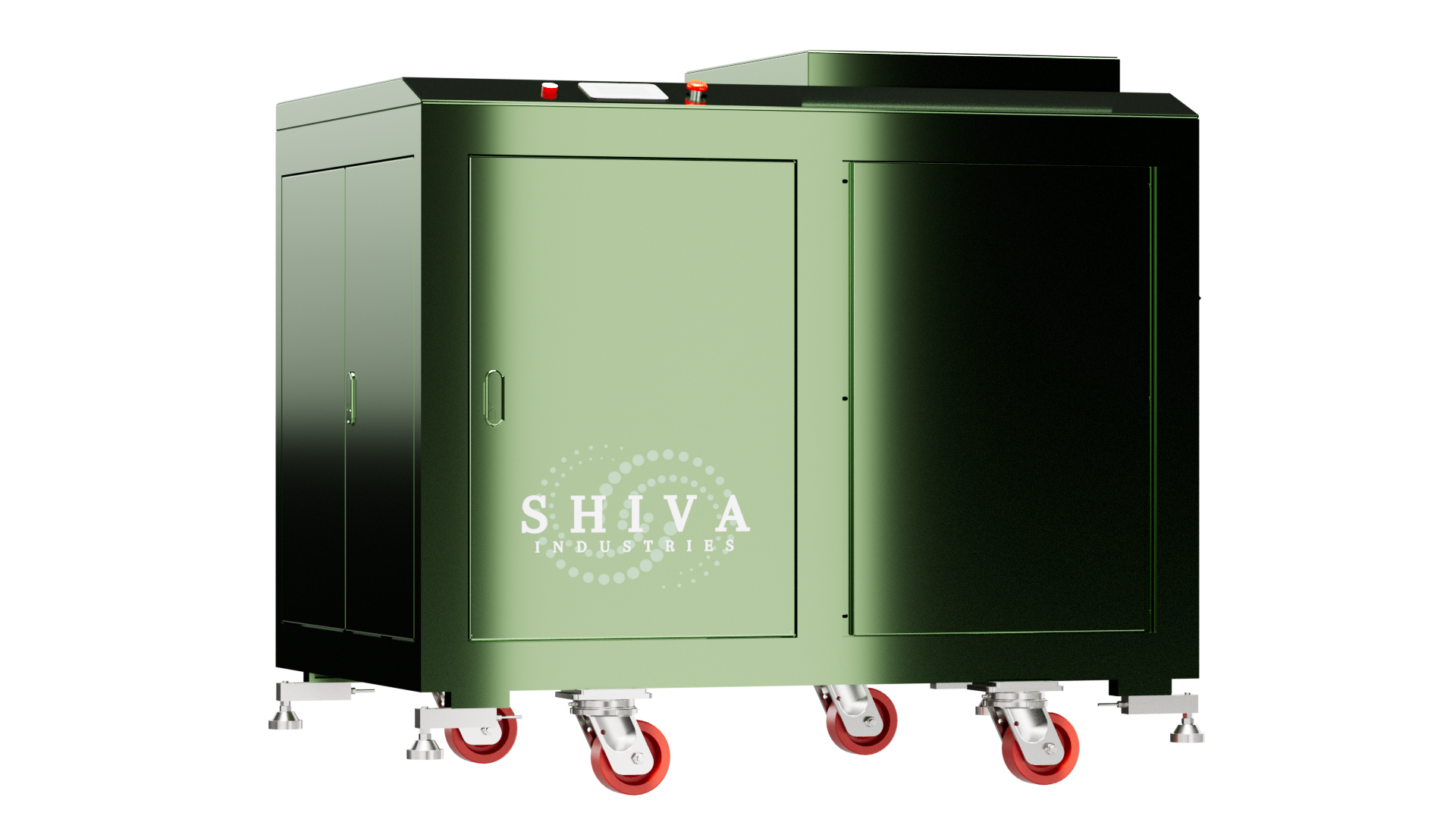
SI100
Small machine. Serious impact.
This is the one you asked for.
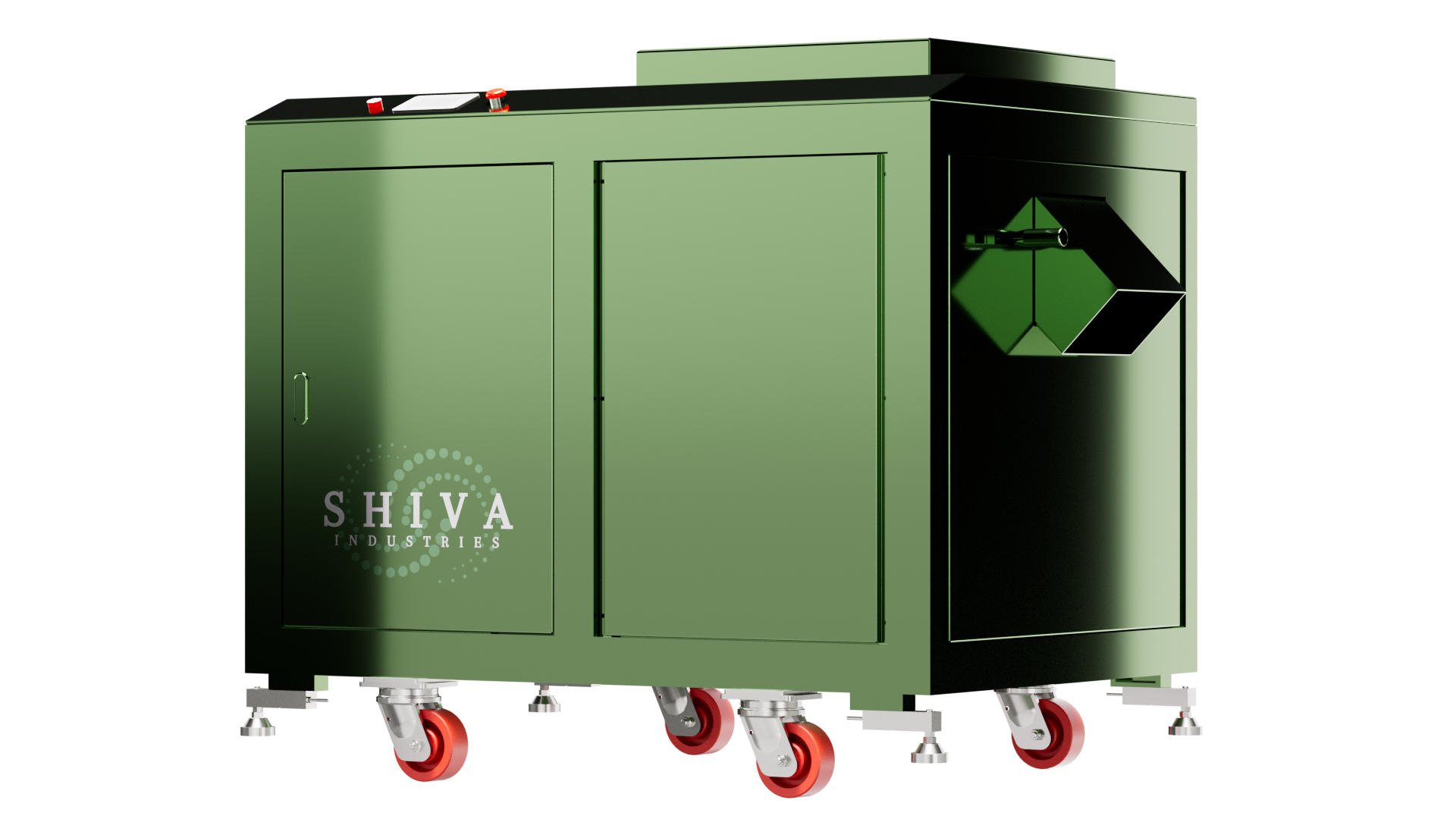
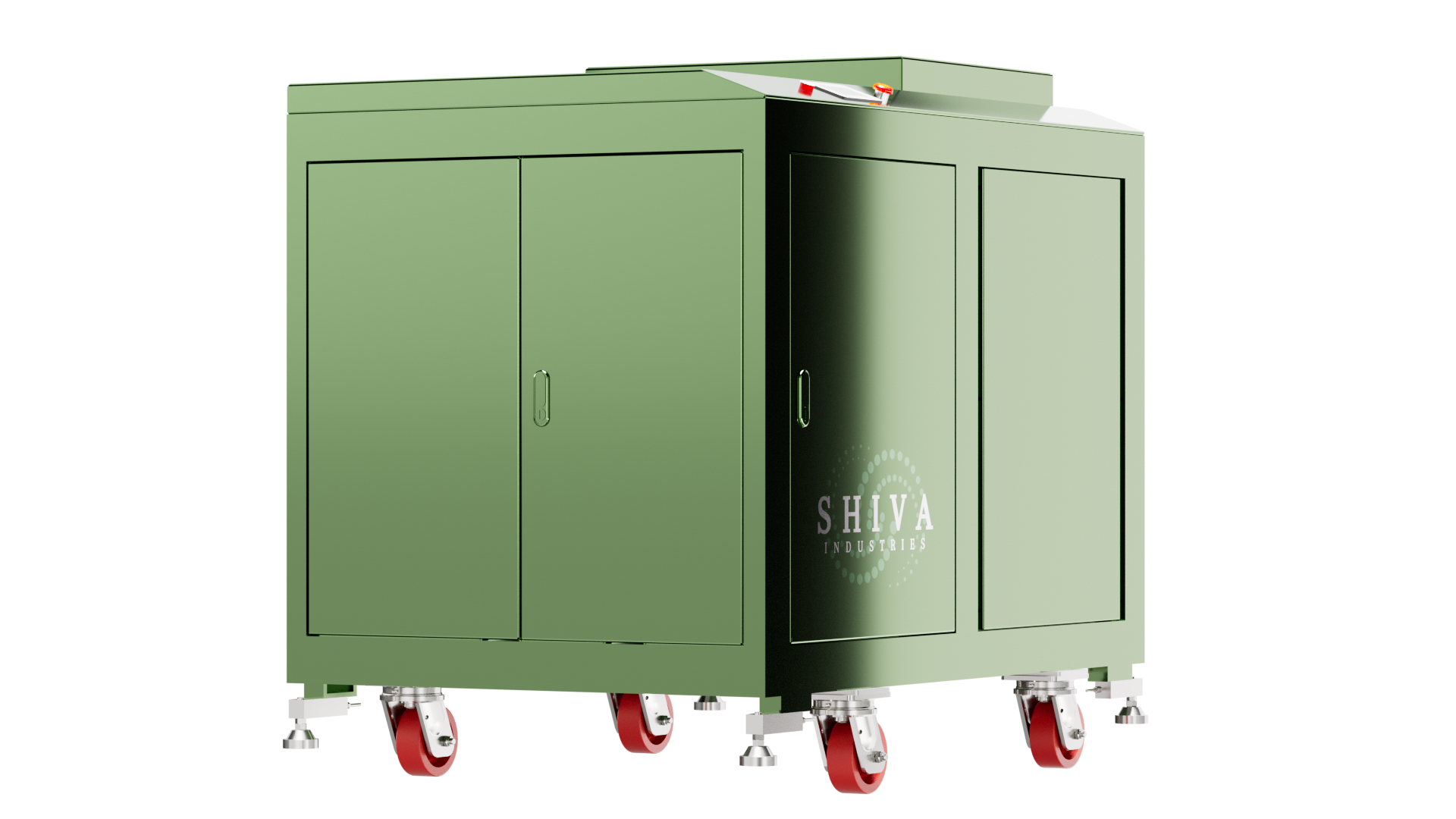
The SI100 is the smallest machine we’ve ever built—without compromising on performance. We took the same proven digestion technology trusted by some of the largest hotels in Bali and engineered it down into a compact, hyper-efficient system designed specifically for smaller waste producers. Processes up to 100 kg of organic waste per day.
Same outcome. Smaller footprint. Smarter economics.
Why the SI100 exists
Not every site produces tons of waste—but every site still pays the price when waste leaves the premises.
The SI100 was built for kitchens, cafés, boutique hotels, villas, schools, and remote sites producing up to 100 kg of organic waste per day—who want to take control on-site, without space, cost, or complexity getting in the way.
What makes it different
→ Our smallest machine to date
Designed for tight spaces where every square metre matters.
→ Hyper-efficient digestion
Rapid, aerobic processing that turns food waste into usable organic output—fast.
→ Cost-effective by design
Lower capital outlay. Lower operating costs. Faster payback.
→ Tiny footprint, big results
Minimal space. Minimal disruption. Maximum waste reduction. Up to 100 kg/day processed on site.
Proven tech. Refined for scale.
This isn’t a new experiment.
It’s a refined evolution.
The SI100 uses the same core system that has already been stress-tested in demanding, high-volume hospitality environments across Bali—now optimized for smaller, smarter operations that still expect industrial-grade reliability.

Who it’s for
Boutique hotels & resorts
Cafés and restaurants
Villas & residential compounds
Schools & institutions
Remote or off-grid sites
Anyone tired of waste “disappearing” and the bill arriving later
The result
Organic waste stays on site
Transport and landfill dependency drops
Usable output replaces dead waste
Costs become predictable
Responsibility becomes visible

Small doesn’t mean soft
The SI100 is compact, but it’s built with the same philosophy as every system we design: waste doesn’t disappear—so deal with it properly, at the source.